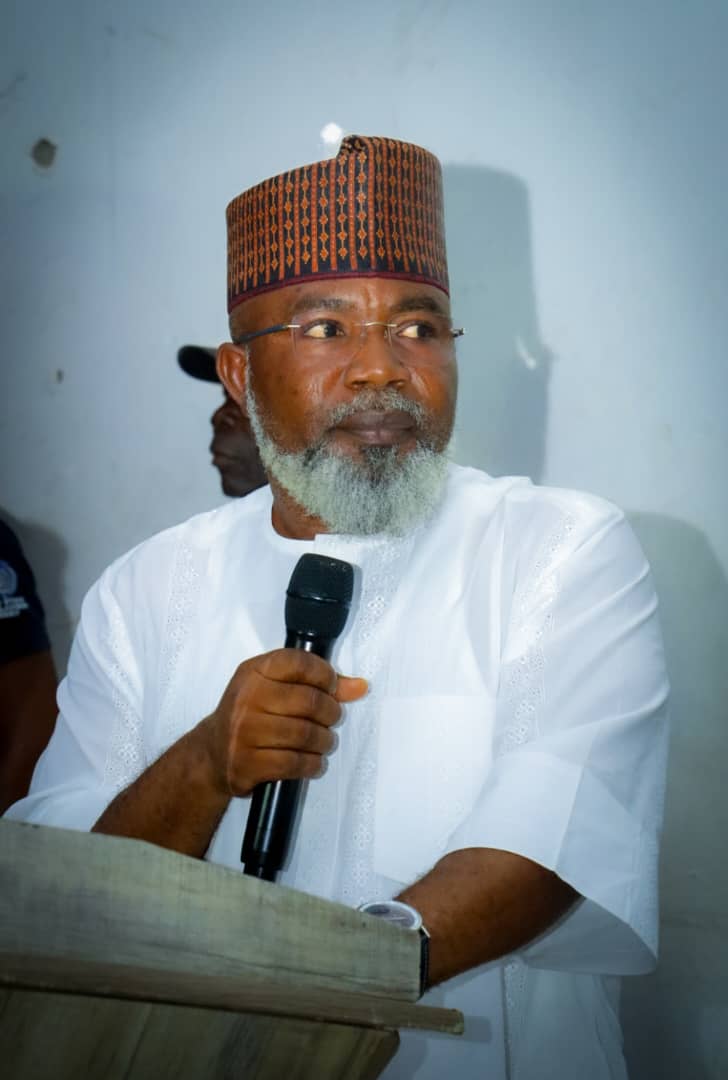



The projection was disclosed by Engr. Akponime Omojevwhe, Head of Field Operations, Eastern Corridor, Project Monitoring Office (PMO) of NNPCL, during a monthly stakeholders’ meeting with host communities of the Trans Niger Pipeline (TNP) organised by Pipeline Infrastructure Nigeria Limited (PINL) in Port Harcourt.
Omojevwhe revealed that the 2026 budget is benchmarked at 2.80 million barrels per day (mbpd), beginning from 1.84mbpd, with a targeted production projection of 2.06mbpd. He credited improved production levels to sustained collaboration between communities, stakeholders, and PINL.
He stated, “The TNP is currently green, meaning products are flowing without interruption. As we move closer to 2026, we urge continued support to ensure we meet and surpass our projections.”
The NNPCL official emphasised that no security contractor can succeed without the cooperation of host communities, noting that chiefs, youth leaders, and women groups play crucial roles in protecting national assets.
Representing the Minister of State for Petroleum Resources (Oil), Heineken Lokpobiri, Mr. Edi Julius applauded communities for creating a peaceful environment that has boosted national production figures.
“It is ambitious, but achievable — Nigeria is on track to surpass two million barrels per day in 2026. Increased production means increased revenue for government and for partners like PINL,” Julius said.
Earlier, Dr. Akpos Mezeh, General Manager, Community and Stakeholders Relations for PINL, highlighted significant progress in combating pipeline vandalism and crude theft. He listed achievements such as expanded security operations, enhanced community inclusion, women and youth empowerment programmes, and improved communication through the Town Crier Initiative.
He urged communities to sustain their support as the nation moves into 2026, adding that PINL will distribute Christmas palliatives to 215 host communities.
Host community leader, His Majesty King Philip Osaro Obele, called on the Federal Government to increase development projects in the region, stressing that peaceful communities deserve more federal attention now that oil revenues are improving.