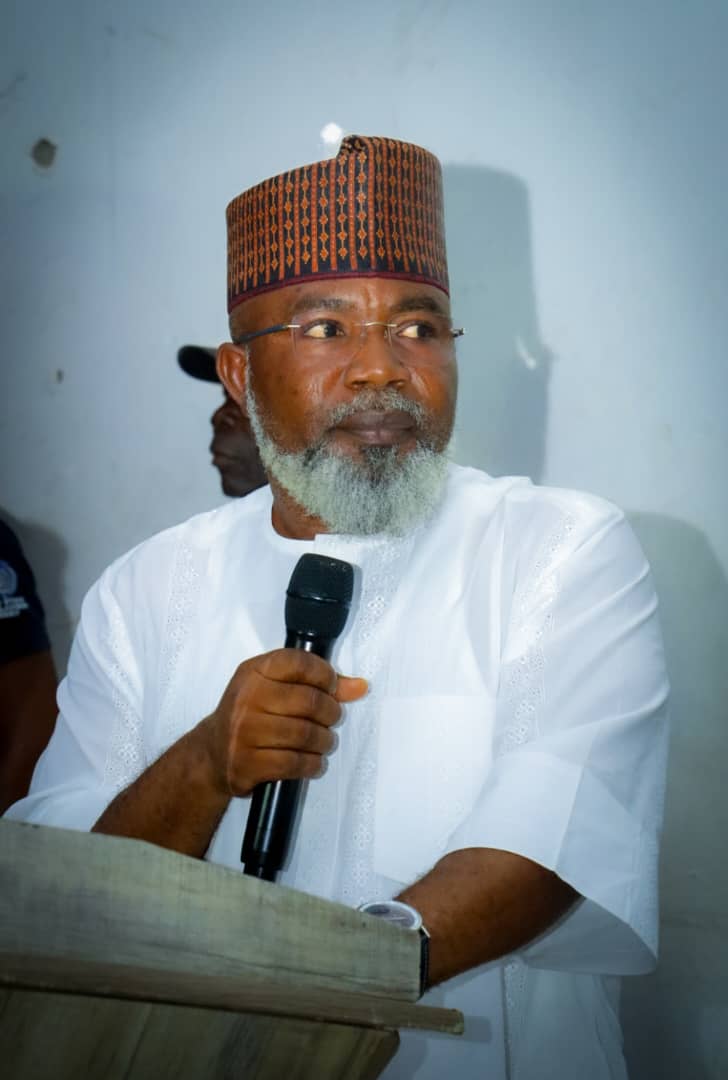



Dr. Muda Yusuf, CPPE Director, stated that the proposal comes at a time when manufacturers, SMEs, and retailers are already grappling with inflation, high energy costs, foreign exchange volatility, and weakened consumer demand. He described the proposed excise hike as “economically disruptive, socially harmful, procedurally flawed, and inconsistent with Nigeria’s development and industrial policies.”
According to Yusuf, the beverage industry has endured multiple shocks over the past three years, with product prices rising by 200 to 300 per cent. He warned that additional excise increases could weaken production capacity, reduce output, erode purchasing power, and trigger avoidable job losses.
The CPPE further argued that higher taxes would push retail prices up, worsen the cost-of-living crisis, and threaten thousands of jobs across manufacturing, supply chains, logistics, retail, and the informal sector. Yusuf emphasized that increased excise rates do not necessarily translate into higher revenue, as consumption often declines when prices rise.
The organisation also criticized procedural inconsistencies, questioning the role of the Senate Committee on Finance in excise policy, which traditionally falls under the Ministry of Finance, and highlighted a lack of inter-ministerial consultation or stakeholder engagement.
On health concerns, Yusuf stressed that targeting soft drinks alone is a narrow approach, noting that sugar consumption comes from a variety of sources. He called for holistic public health strategies, behavioural change, voluntary sugar reduction programmes, and awareness campaigns rather than punitive taxation.
The CPPE concluded that the proposed excise hike would undermine manufacturing competitiveness, investment, and job protection, urging its immediate withdrawal.
The position aligns with the Organised Private Sector of Nigeria (OPSN), which similarly warned that the proposed amendment to the Customs, Excise and Tariff Bill could weaken President Bola Tinubu’s fiscal reform agenda and destabilize Nigeria’s tax framework.