

The pact comes just weeks before FIRS formally transitions into the Nigeria Revenue Service (NRS) in January 2026.
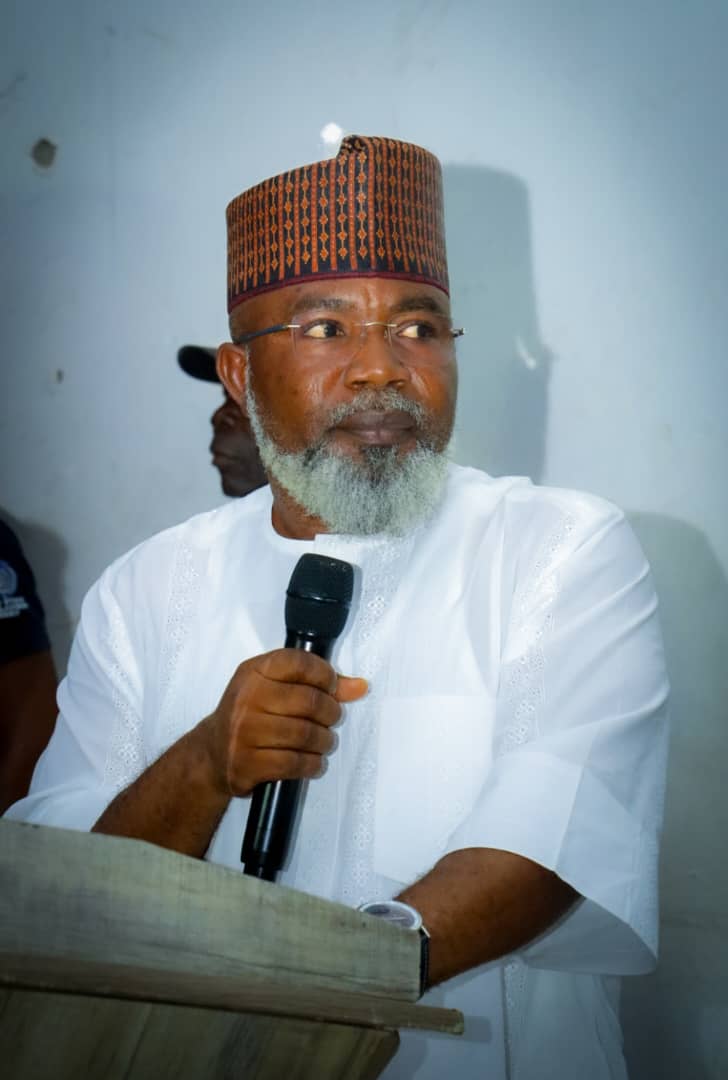
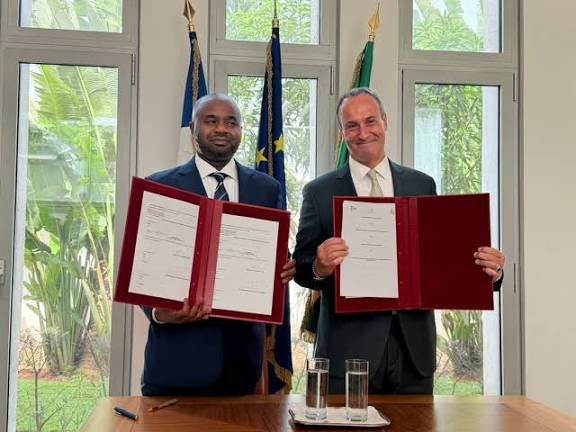
FIRS Executive Chairman, Zacch Adedeji, and the French Ambassador to Nigeria, Marc Fonbaustier, signed the memorandum of understanding (MoU) at the French Embassy in Abuja, according to a statement issued on Wednesday by Adedeji’s media adviser, Dare Adekanmbi.
The agreement establishes an official partnership with France’s Direction Générale des Finances Publiques (DGFiP), one of Europe’s most technologically advanced tax authorities.
Adedeji described the collaboration as a major step toward building “stronger, more resilient and forward-looking tax systems” at a time when global public finance is being reshaped by artificial intelligence, cybersecurity concerns, and rapidly expanding cross-border digital commerce.
He identified digital transformation as a key pillar of the pact, noting that Nigeria hopes to leverage France’s experience in automated compliance, data-driven audits, and advanced taxpayer service platforms. Conversely, France stands to benefit from Nigeria’s fast-growing digital economy and its large, youthful and tech-savvy population.
According to him, the agreement also prioritises workforce development. Nigeria intends to adopt France’s structured human capital models, continuous learning systems, and professional standards, while offering DGFiP insights from managing a diverse and fast-paced workforce.
The pact further covers cooperation in international taxation, transfer pricing, exchange of information and tackling Base Erosion and Profit Shifting (BEPS), a growing challenge as businesses operate across borders.
Adedeji said the partnership will play a crucial role in Nigeria’s move toward a transparent, technology-driven revenue administration under the incoming NRS framework.
“As Nigeria enters the era of the Nigeria Revenue Service, we see this partnership as a foundation for building a modern, trusted, innovative and globally connected revenue institution,” he said.
The MoU aligns with the Federal Government’s broader goal of boosting revenue without imposing new taxes. With Nigeria’s tax-to-GDP ratio hovering between 6 and 10 per cent—far below the African average of 15 per cent—authorities are banking on digital reforms, unified tax administration and stronger international cooperation to expand the tax net.
France is regarded as one of the world leaders in digital tax modernisation, having adopted sophisticated e-filing systems, algorithm-based compliance tools and real-time data analytics.