


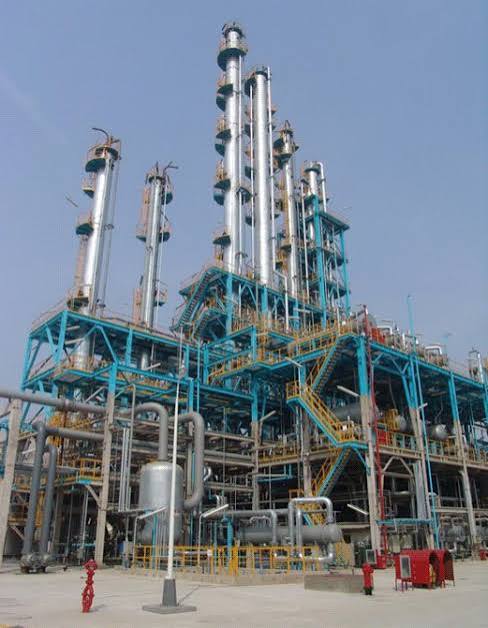
Lokpobiri made the remark on Monday during an inspection of the ongoing construction of a 30,000-barrel-per-day modular refinery project in Koko, Delta State, undertaken by indigenous energy and industrial services firm, Ebenco Global Link Limited. The visit was disclosed in a statement issued on Tuesday by Ebenco’s Chief Executive Officer, Dr. Ebenezer Oluwagbemiga.
The minister noted that boosting domestic refining capacity offers a viable alternative to the illegal artisanal refineries that have contributed to environmental degradation, production losses, and insecurity in oil-producing communities.
“Producing modular refineries locally is one of the solutions to pipeline vandalisation that is going on by those who want to do illegal refining,” Lokpobiri said.
He explained that the completion of the Ebenco refinery would serve as a model for replication, especially in communities where illegal refining has become a source of income. According to him, government is evaluating options to support operators willing to transition from illegal refining to legitimate modular refining systems.
Lokpobiri added that access to modular refineries could be made easier through flexible acquisition arrangements, including government-backed financing options. He said perpetrators of vandalism could acquire modular units and repay gradually while contributing to the formal economy.
“The approach will help convert illegal refiners into legitimate operators, create jobs, increase government revenue and reduce environmental damage,” he said.
The minister stressed that innovative strategies are needed to curb vandalism by transforming destructive activities into lawful and profitable ventures. “By the time we come up with this solution, they will buy the crude, pay taxes, we will have sustainable employment for them, and at the end of the day, it will be win-win for everybody,” he added.
Lokpobiri also highlighted the importance of technology transfer, noting that advanced refining nations grew their capacity by acquiring foreign technology and adapting it locally. He commended Ebenco’s partnership with international technical firms, describing the project as an example of globally compliant modular refining.
On his part, Dr. Oluwagbemiga confirmed that construction is progressing in phases, beginning with an initial 5,000 barrels per day. He noted that the project is expected to create jobs, enhance local content, and reduce incentives for illegal bunkering once fully operational.
The commentary comes against the backdrop of intensified government efforts to secure oil infrastructure. In May, National Security Adviser Nuhu Ribadu reported that at least 15 pipeline vandals had been convicted, while about 100 others were undergoing prosecution.