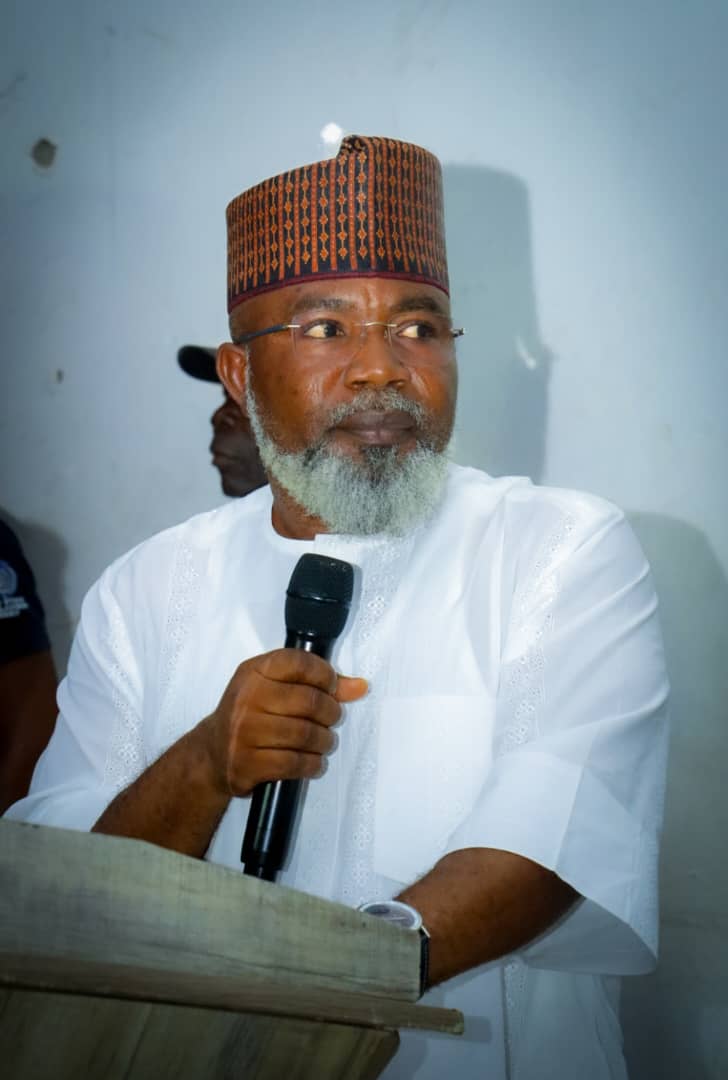



Adedeji, represented by Prof. Abiola Sanni (SAN), disclosed this in Ilorin, Kwara State, shortly after receiving an award from the University of Ilorin Alumni Association. He explained that the new system is designed to shift the burden of taxation away from low-income earners and the informal sector.
According to him, the reforms will prioritise individuals and businesses at the top of the economic pyramid, ensuring that high-income earners who have not been paying their fair share will be captured in the new framework.
He stressed that the tax reforms are the most transformative in Nigeria’s history, describing them as both “business-friendly and taxpayer-friendly.”
Adedeji also revealed that the FIRS will undergo a name change beginning January 2026, as part of an institutional restructuring to align with the new policy direction.
He explained that while some advanced countries impose tax rates as high as 50 per cent, Nigeria’s new structure will ensure that high earners pay not more than 25 per cent of their taxable income after deductibles.
He maintained that a functional tax system is crucial for national development, especially in areas of infrastructure, education, and public service delivery.
The FIRS chairman further disclosed plans to establish a new tax institute, stating that the rebranding of the agency was aimed at reflecting its modernised role in Nigeria’s evolving tax landscape.