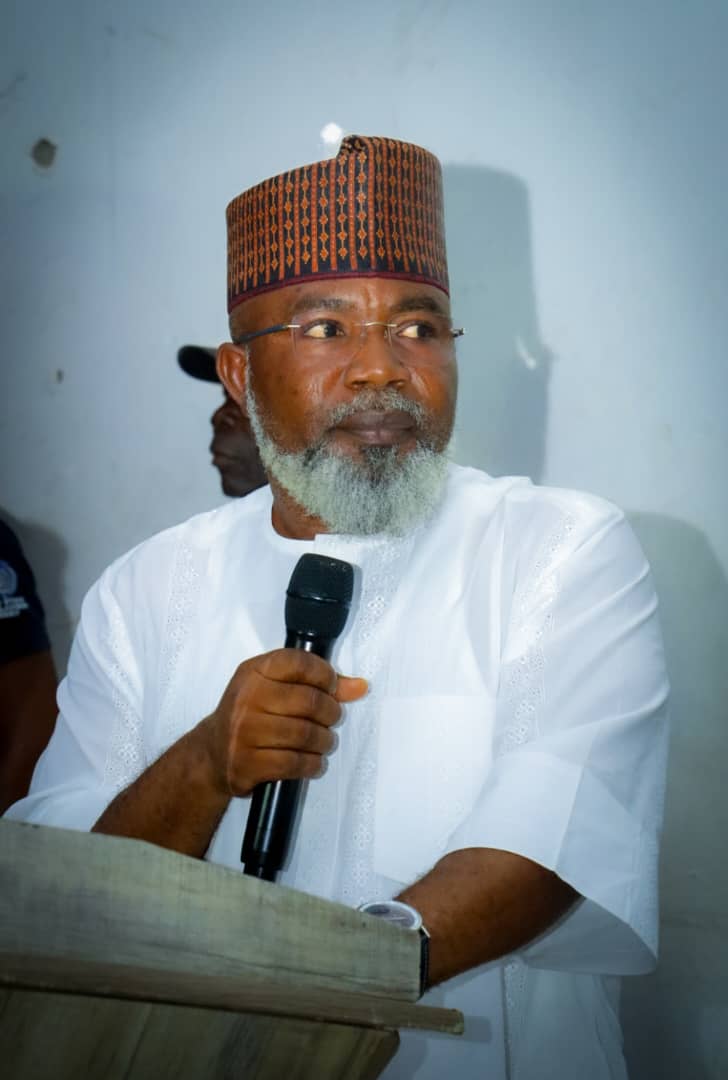



Speaking at the inauguration on Thursday, Speaker of the House, Tajudeen Abbas, described the rise in kidnappings, armed robberies, and killings in Abuja as “unacceptable and intolerable.” He expressed concern that the city—once regarded as one of West Africa’s most peaceful capitals—has become a hotspot for violent crimes.
Represented by Rep. Julius Pondi, the Speaker questioned why the multi-million-dollar CCTV system, financed through a Chinese loan, has failed to reduce crime in the FCT. He emphasized that Nigerians deserve clarity on whether the project was properly implemented, abandoned, or undermined by mismanagement.
Abbas directed the committee to conduct a forensic investigation into the project’s operational status, its integration with security agencies, and the reasons for its failure. The probe will also examine possible negligence or sabotage and recommend steps to activate or overhaul the system.
He urged the FCT Minister, Finance Minister, Interior Minister, the Inspector-General of Police, area council chairmen, and heads of security agencies to fully cooperate with the investigation. Traditional rulers were also called upon to enhance intelligence-sharing with security operatives.
Committee Chairman, Rep. Ojogo Kimikanboh, described Abuja as a “theatre of fear” due to escalating insecurity. He labeled the failed CCTV project a “scandal of monumental proportions,” noting that despite the massive $460 million investment, the system has not delivered the intended security protection.
Ojogo outlined the committee’s tasks, including auditing project expenditures, assessing technical integrity, verifying operational functionality, and uncovering the causes of persistent security breaches.
“We are not on a witch hunt but a truth hunt,” he said. “Our assignment will be pursued with diligence, integrity, and a commitment to restoring public confidence.”
The House affirmed that it will deploy every legislative tool to ensure accountability and improved security for residents of the FCT.