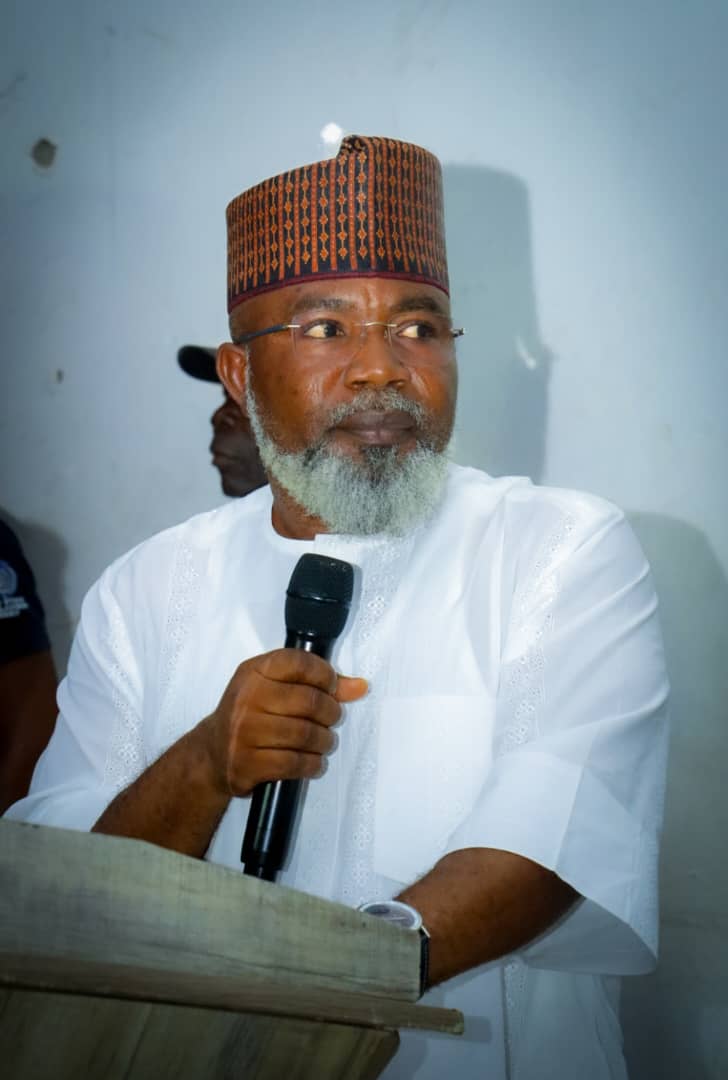


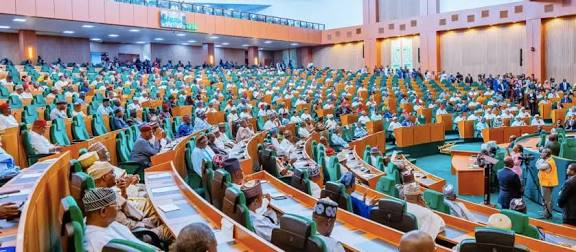
The summons, issued on Wednesday by the committee’s chairman, Arch. Ibrahim Almustapha Aliyu, followed a detailed presentation by Mabon Generating Company, concessionaires of the Dadin-Kowa plant. Lawmakers expressed frustration over what they described as glaring gaps, inconsistencies and unacceptable delays in a concession that is already two decades into its 25-year Build-Operate-Transfer (BOT) agreement.
Aliyu directed the committee secretariat to summon the following officials to appear on 4 December 2025:
- Minister of Water Resources
- Managing Director, Upper Benue River Basin Development Authority
- Managing Director, Hadejia–Jama’are River Basin Development Authority
- Chief Executive, Nigeria Integrated Water Resources Management Commission
- Infrastructure Concession Regulatory Commission (ICRC)
- Individual signatories to the 2005 concession agreement and subsequent addendum
Aliyu questioned the due diligence undertaken by both the concessionaire and supervising agencies, noting that nearly 20 years after signing, the project continued to suffer from delayed approvals, unclear responsibilities, gaps in implementation and disputed obligations.
“From 2005 to date, 20 years have gone. You entered into an agreement after confirming the facility was fit. Now, midway, you suddenly realise there are challenges,” he said.
The committee demanded the appraisal committee report that reviewed the original concession and recommended the 2015 addendum, along with all documents related to performance evaluation, generation data, operational gaps and payment issues.
Mabon Generating Company stated that it has supplied more than 700 million kilowatt-hours (kWh) of electricity to the national grid since 2021. COO Umar Shehu Hashidu added that the company had never received grants or direct federal loans and had submitted all required documents, including the 2005 concession, 2015 addendum and regulatory approvals.
During the session, the Special Adviser to the President on Energy, Olu Verheijen, highlighted the ongoing Presidential Metering Initiative (PMI), designed to eliminate Nigeria’s seven-million-meter gap and reduce technical and commercial losses in the power sector.
Representing the PMI Director, Obafemi Sotebo said the initiative aims to end estimated billing, strengthen revenue assurance and establish a nationwide network of remotely audited smart meters. According to him, closing the metering gap could cut sector losses from 45–50% to between 12–15%, aligning with global benchmarks.