

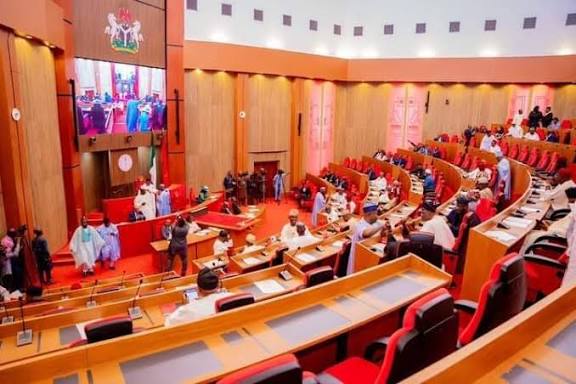
The committee’s interim report highlighted systemic lapses, weak oversight mechanisms, and discrepancies that have enabled large-scale diversion of Nigeria’s crude oil revenue. A forensic review of domestic and tax oil proceeds revealed mismatches and unaccounted funds totaling about $22 billion. Additionally, a shortfall of $81 billion was noted between receipts declared by the Nigerian National Petroleum Company Limited (NNPCL) and records of the Central Bank of Nigeria (CBN) for 2016 and 2017.
The report projected that over $200 billion from global crude oil sales remains unaccounted for. Key causes were traced to faulty measurement systems, unverified instruments, weak regulatory oversight, ineffective interagency collaboration, and uncoordinated enforcement mechanisms.
The suspension of the Weights and Measures Department in the upstream sector under the Petroleum Industry Act (PIA) 2021, and the non-implementation of the Host Communities Development Trust Fund (HCDTF), were also cited as major contributors to ongoing theft and sabotage.
The committee urged the Federal Government to mandate the Nigerian Upstream Regulatory Commission (NUPRC) to enforce international crude measurement standards, provide modern surveillance technology including drones, establish a Maritime Trust Fund, and create a special court to prosecute oil thieves. Immediate implementation of the HCDTF was also recommended to reduce community sabotage.
The report raised environmental concerns, noting abandoned and poorly decommissioned wells leaking oil and gas, and suggested these be handed over to NUPRC for modular refineries to boost local crude availability and reduce vandalism.
The committee also acknowledged a modest recovery in production, which rose by 9.5% in 2023 from 490.95 million barrels in 2022 to 537.57 million barrels. It called for global tracking, tracing, and recovery of stolen crude funds to rebuild accountability and strengthen Nigeria’s fiscal position.
While the Senate commended the committee, it emphasized that recovering stolen funds is not its responsibility and directed the committee to conclude its investigation and name offenders for executive action.
Reactions from Nigerians have ranged from anger and disappointment to resignation. Industry analysts criticized the government for long-standing inaction. Oil analyst Idowu Christopher said, “The government knows where the problem is coming from but refuses to act… it is only in Nigeria that such abnormality happens without consequences.”
Legal practitioner Chikia Umeayo argued that corruption of this scale has become a norm in Nigeria, and citizens have little reason to expect change, noting, “Nothing will come out of it; absolutely nothing.”